

Introduction
In today's modern society, we rely heavily on a wide range of essential services to meet our daily needs and ensure our well-being. From hospitals and emergency services to telecommunications and water treatment plants, the smooth operation of these critical services is vital for the functioning of our communities. One common feature that underpins the reliability of many of these essential services is the use of diesel generators. In this article, we will explore the indispensable role that diesel generators play in ensuring the continuity of essential services, examining their benefits, applications, and challenges.
The Importance of Essential Services
Essential services are those fundamental services that are necessary for the well-being of individuals and communities. These services encompass a wide range of sectors, including healthcare, public safety, transportation, communication, and utilities. Without access to these services, our daily lives would be severely disrupted, and our safety and security compromised.
Hospitals and healthcare facilities, for example, require a constant and reliable source of power to operate critical medical equipment, maintain temperature-controlled environments, and provide lighting for surgeries and patient care. Emergency services such as fire departments, police stations, and emergency response centers also rely on uninterrupted power to respond to emergencies quickly and effectively.
In addition to healthcare and emergency services, other essential services such as telecommunications, water treatment plants, and transportation systems are equally dependent on a reliable source of power to ensure continuous operations. For instance, telecommunications networks need power to maintain connectivity and communication during emergencies, while water treatment plants require electricity to provide clean and safe drinking water to communities.
The Role of Diesel Generators in Providing Essential Services
Diesel generators play a critical role in ensuring the continuity of essential services during power outages or disruptions. These generators are designed to provide backup power in situations where the main grid power supply fails, ensuring that essential services can continue to operate without interruption. The reliability, durability, and efficiency of diesel generators make them a popular choice for a wide range of applications where uninterrupted power supply is essential.
Benefits of Diesel Generators for Essential Services
1. Reliability: Diesel generators are known for their reliability and durability, making them an ideal choice for providing backup power to essential services. Diesel engines are robust and can withstand heavy loads and continuous operation for extended periods, ensuring that critical services remain operational during power outages.
2. Fuel Efficiency: Diesel generators are more fuel-efficient compared to other types of generators, such as gasoline or natural gas generators. This fuel efficiency not only helps reduce operating costs but also ensures that essential services can run on backup power for longer durations without the need for frequent refueling.
3. Quick Start-Up: Diesel generators have the advantage of quick start-up times, allowing them to provide power almost immediately when the main grid power supply fails. This rapid response is crucial for essential services that cannot afford any downtime, such as hospitals and emergency response centers.
4. Longevity: Diesel generators are known for their longevity and ability to operate for thousands of hours without significant maintenance or performance issues. This long lifespan makes diesel generators a cost-effective investment for essential services that require reliable backup power for years to come.
5. Power Output: Diesel generators are capable of producing high power outputs, making them suitable for applications that require a significant amount of electricity, such as hospitals, data centers, and industrial facilities. The ability of diesel generators to handle heavy loads ensures that essential services can continue to function normally even during peak demand periods.
Applications of Diesel Generators in Essential Services
1. Healthcare Facilities: Hospitals, clinics, and medical centers rely on diesel generators to ensure the continuous operation of critical medical equipment, lighting, and HVAC systems during power outages. In emergency situations, such as natural disasters or blackouts, diesel generators play a vital role in maintaining patient care and saving lives.
2. Emergency Services: Fire departments, police stations, and emergency response centers use diesel generators to power communication systems, emergency lighting, and essential equipment during emergencies. The reliability and quick start-up of diesel generators are crucial for ensuring a swift and effective response to critical situations.
3. Telecommunications: Telecommunications networks and data centers depend on diesel generators to maintain connectivity and communication services during power outages. In the event of a disaster or outage, diesel generators ensure that essential communication infrastructure remains operational, allowing for seamless communication and coordination.
4. 150kw diesel generator for construction equipment : Water treatment plants require a stable source of power to operate pumps, filters, and treatment systems that provide clean and safe drinking water to communities. Diesel generators serve as a reliable backup power source for water treatment plants, ensuring that water supply is not disrupted during emergencies or power failures.
5. Transportation Systems: Public transportation systems, such as trains, subways, and airports, rely on diesel generators to power signaling systems, lighting, and ticketing machines. Diesel generators play a crucial role in maintaining the smooth operation of transportation services, especially during power outages or inclement weather conditions.
Challenges and Considerations
While diesel generators offer numerous benefits for providing backup power to essential services, there are also challenges and considerations that need to be addressed to ensure their optimal performance and reliability.
1. Environmental Impact: Diesel generators emit pollutants such as nitrogen oxides (NOx), particulate matter, and carbon monoxide, which can have adverse effects on air quality and public health. To mitigate these environmental impacts, it is essential to use modern diesel generators with advanced emission control technologies and to adhere to strict regulatory standards.
2. Maintenance and Fuel Storage: Diesel generators require regular maintenance, including fuel filter replacements, oil changes, and engine inspections, to ensure proper functioning and longevity. Proper fuel storage and management are also critical to prevent fuel degradation and contamination, which can affect the performance of the generator.
3. Noise Pollution: Diesel generators produce noise during operation, which can be a concern, especially in urban areas or residential neighborhoods. To minimize noise pollution, soundproof enclosures and mufflers can be installed to reduce the noise levels generated by the diesel generator.
4. Cost Considerations: While diesel generators offer numerous benefits, they can also be costly to purchase, install, and maintain. It is essential to consider the total cost of ownership, including fuel costs, maintenance expenses, and operational costs, when evaluating the feasibility of using diesel generators for essential services.
Conclusion
In conclusion, diesel generators play a crucial role in ensuring the continuity of essential services by providing reliable backup power during emergencies or power outages. The benefits of diesel generators, including reliability, fuel efficiency, quick start-up, longevity, and high power output, make them an indispensable asset for a wide range of applications where uninterrupted power supply is essential.
From healthcare facilities and emergency services to telecommunications networks and water treatment plants, diesel generators are relied upon to maintain critical operations and ensure the safety and well-being of communities. While diesel generators offer numerous advantages, it is essential to address challenges such as environmental impact, maintenance requirements, noise pollution, and cost considerations to maximize their performance and efficiency.
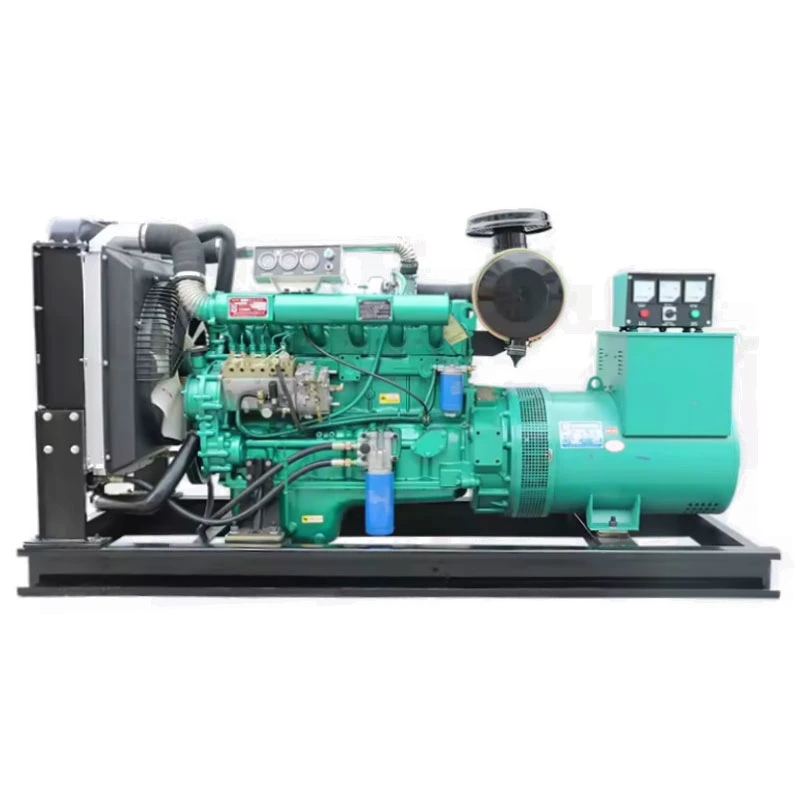
As our reliance on essential services continues to grow, the role of diesel generators in providing backup power will remain vital in safeguarding the functioning of these critical services. By understanding the benefits, applications, and challenges associated with diesel generators, we can ensure the resilience and reliability of essential services in the face of unforeseen disruptions and emergencies.